Sarah Miller, DiscoverHumboldt.com | Saturday, Oct 31 2026, 8:00 AM
Behind every certified organic product is a producer or processor working hard to comply with a very strict and detailed set of standards under the Canada Organic Regime (COR).
From the fields of the Prairies to processing facilities across Canada, certification to those standards helps ensure consumers can trust the organic products they purchase.
In Humboldt, Saskatchewan, a Canadian not-for-profit organization is helping make that possible.
TransCanada Organic Certification Services (TCO Cert) works with organic operators across the country, providing certification to qualifying operations which have been inspected and verified to be in compliance with the Canadian Organic Standards.
Organic certification allows operators to market their products as organic across Canada and globally.
While its reach extends from coast to coast, the organization’s roots remain firmly planted in Western Canadian agriculture.
“I think it’s good that there’s a Canadian company here that works for Canadians,” says certification coordinator Ruth Baumann.
That Canadian focus has been central to TCO Cert’s development.
The organization grew out of a group of Canadian organic farmers whose products were originally certified through an American certification body with a focus on the U.S.’s National Organic Program (NOP).
In 2009 Canada developed the Canada Organic Regime (COR) with its own set of Canadian Organic Standards (COS) that reflected Canadian operations and values more closely. As a consequence, the Canadian operators, mostly farmers, saw a need for services that better understood and focused on the Canadian organic certification requirements.
In 2012, a Canadian not-for-profit organization was formed, became accredited to the COR by the CFIA (Canadian Food Inspection Agency) and started providing certification services to Canadian organic operations in 2013, and has since grown/developed into the current TCO Cert.
Today, TCO Cert provides organic certification services to a wide variety of organic producers, processors and traders.
“We’re a not-for-profit corporate entity with our head office here in Humboldt, Saskatchewan, but we have dedicated and knowledgeable staff to certify operators all across Canada,” says general manager Rachel Salapare.
Keeping producers connected
Although TCO Cert works with operators nationwide, much of its membership is concentrated in the Prairies.
The organization is owned by its members and governed by a board of directors. Its network of local chapters also gives producers opportunities to connect, exchange knowledge and support one another.
“The local chapters arrange field days where operators get together on a member’s farm giving them the opportunity to demonstrate, explain and discuss different farming practices they are using or trials they have done,” says certification decision team lead Karla Sieck. “It’s very educational, and it’s also a great opportunity to socialize.”
Those connections also give TCO Cert valuable insight into the challenges facing producers in different regions.
“Our chapter system gives us an opportunity to listen and get feedback from our members to improve our service,” says Salapare.
The team carries that personal connection into its day-to-day operations.
“We try to always have a person answering the phone. We don’t believe that answering machines provide great client service. Our clients always get a personal response to any of their questions or concerns in a timely manner,” says Sieck.
Protecting confidence in organic products
Organic certification involves detailed requirements, set out in the Canadian Organic Standards, and Sieck says one common misconception is that certification bodies establish the rules themselves.
“We do not create the regulations and that is a big misconception,” she says.
Instead, TCO Cert evaluates, ensures, and verifies compliance with the established Canadian Organic Standards while helping operators understand and navigate the certification process.
“Consumers must be able to have trust in the Canadian Organic Logo, and that’s what we want to continue,” says Sieck.
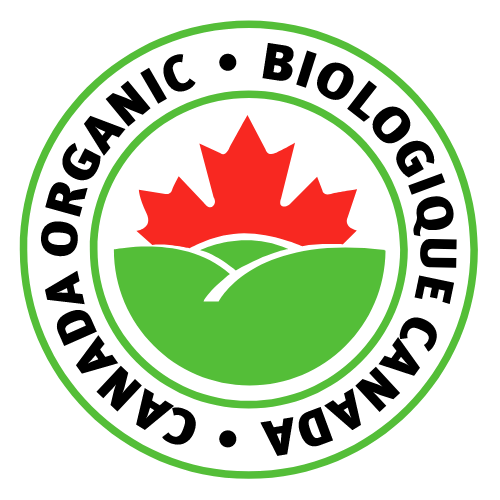
The Canadian Organic Logo can only be used on a product label by operators whose organic products have been certified to the COR by a CFIA-accredited certification body like TCO Cert.
As demand for organic products grows, the industry faces challenges of its own, particularly the rising cost of farmland and equipment that can make entering agriculture difficult for younger and new producers.
Despite those pressures, TCO Cert hopes to continue growing while maintaining the personal service its members value.
“We try to be very competitive and still have an excellent level of service,” says Sieck.
From its Humboldt office to farming and processing communities across Canada, TCO Cert continues providing Canadian operators with the best possible organic certification service.
Originally posted to discoverhumboldt.com